
The Sexual Politics of Meat Revisited
It has been 35 years since the publication that curated the philosophy of Vegan-Feminism. In 2025, Carol J. Adams’ words are more significant than ever.
“A feminist-[vegan] critical theory begins, as we have seen, with the perception that women and animals are similarly positioned in a patriarchal world as objects rather than subjects” (SPOM, 180).
All year I have wanted to write an article to commemorate the 35th anniversary of the book that changed my life. However, for 12 months, I have had no idea as to where to begin. Carol J. Adams’ The Sexual Politics of Meat was published a decade before I was born, yet I have never related to a piece of literature, a philosophy, or an author more. Reading SPOM felt like stumbling upon a diary written by my future self. Carol J. Adams is the woman I hope to become and her work is what has inspired me to create XOXO Vegan Girl. I hope to carry the torch of Vegan-Feminism until my own flame extinguishes.
The Sexual Politics of Meat may have been published 35 years ago, but the messages displayed in Adams’ text is still incredibly relevant in 2025. SPOM critiques every aspect of how the patriarchy has negatively impacted women and non-human animals from our language, our culture, our traditions, and Western philosophies. The oppression of women and non-human animals has always been linked. The liberation of women will never come so long as we continue to view non-human animals as commodities.
Although Adams’ herself labeled SPOM as “A Feminist-Vegetarian Critical Theory,” SPOM is actually about Vegan-Feminism. During the time it was published, the term “vegan” wasn’t as well known as it is today compared to the term “vegetarian.” Adams’ reveals through SPOM and entries on her website how limited vegetarianism is, especially when applied to feminism. She states,
“Feminized protein is taken from living female animals, whose reproductive capacity is manipulated for human needs. The unique situation of domesticated female animals required its own term: a sexual slavery with chickens in battery cages and dairy cows hooked up to milking machines. Even though the animals are alive, dairy products and eggs are not victimless foods. This is why vegan-feminist rather than vegetarian-feminist” (Adams).
Although veganism has become more mainstream since 1990, the opposition to the non-violent lifestyle has grown with it. This disgraceful attitude is not only directed to humans who stand up for non-humans, but also to non-humans themselves, and even non-vegan women. Hyper-masculine podcast bros and content creators have weaponized masculinity and what it means to be a man in 2025. In the UK, 8 in 10 boys aged 16-17 have watched Andrew Tate, a self-described misogynist charged with human trafficking and rape. According to YouGov, 1 in 6 of them support him. As the political divide continues to grow, more conservative men are leaning towards “Biblical diets,” “traditional family roles,” and violent ideologies. Men in these spaces believe women and non-human animals to be property, more specifically, their property, without the need for their own rights. Correspondingly, men who do believe women and non-human animals deserve rights and autonomy are labeled “soy-boys” and seen as weak for expressing empathy; feeding into the myth that soy contains estrogen. When a man is called a soy-boy, his masculinity is questioned and he is compared to a woman; the ultimate insult. This oppressive relationship that men enact over women and non-human animals reveals a desire for control, power, and domination. “Characteristics of economies dependent mainly on the processing of animals for food include: sexual segregation in work activities, with women doing more work than men (but work that is less valued), women responsible for child care, the worship of male gods, [and] patrilineality [(father’s lineage/male line)]” (SPOM, 45).


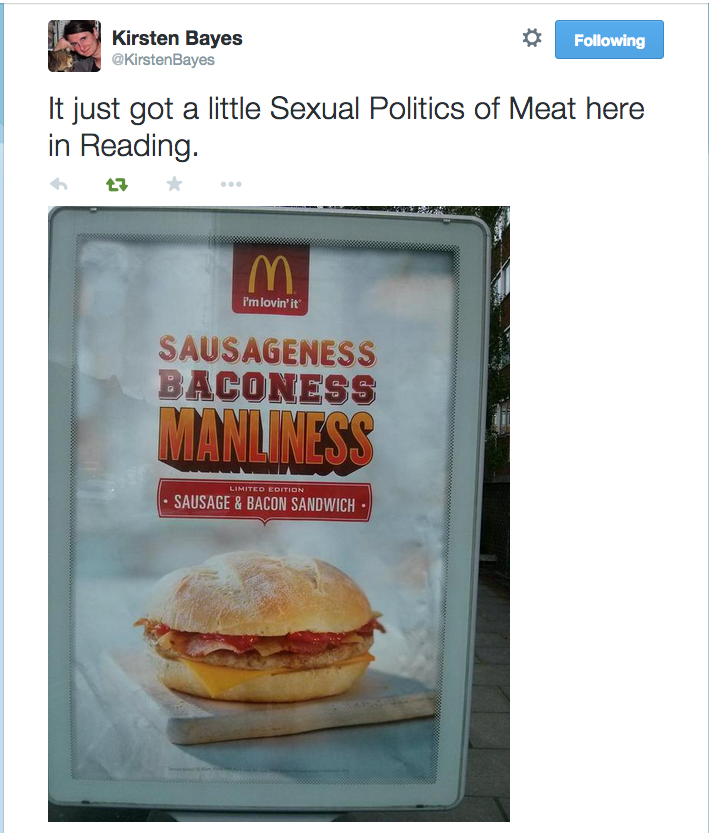
“The male prerogative to eat meat is an external, observable, activity implicitly reflecting a recurring fact: meat is a symbol of male dominance” (SPOM, 43). Adams explains how meat has been a representation of authority, power, and control for centuries, especially in Western cultures. Meat has been marketed towards men for countless reasons; war, strength, wealth, violence, and even sexuality. A present theme throughout the entirety of SPOM and well documented within SPOM’s sequel, The Pornography of Meat, is how women’s bodies and non-human animals’ bodies have been compared to one another and marketed alike to appear to the masculine consumer. “[Veganism] was one way to reject a male world that objectified both women and animals; women not only enunciated connections with animals but defined themselves as subjects with the right to act and make ethical decisions, and in doing so defined animals as subjects, not objects” (SPOM, 180). In Adams’ book, she shows countless instances of non-human bodies sexualized and compared to human female bodies in order to sell the oral consumption of flesh. Here are just a few examples Adams exposes on her website.
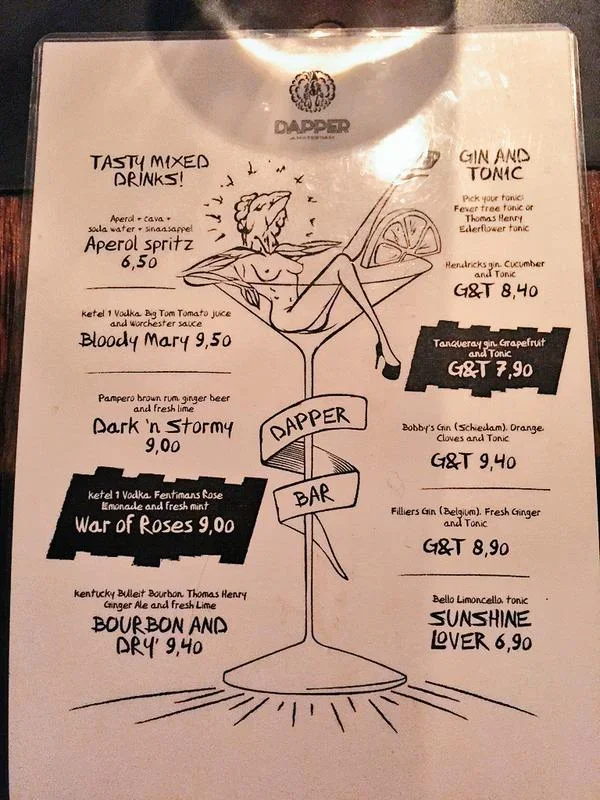
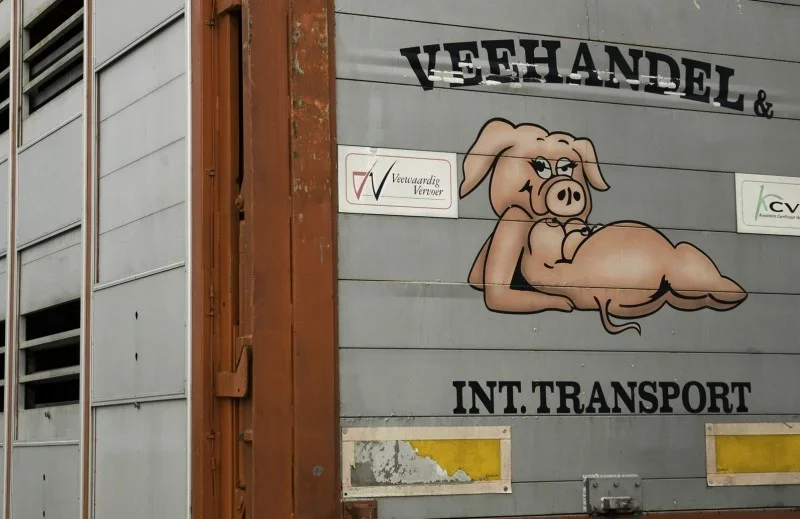
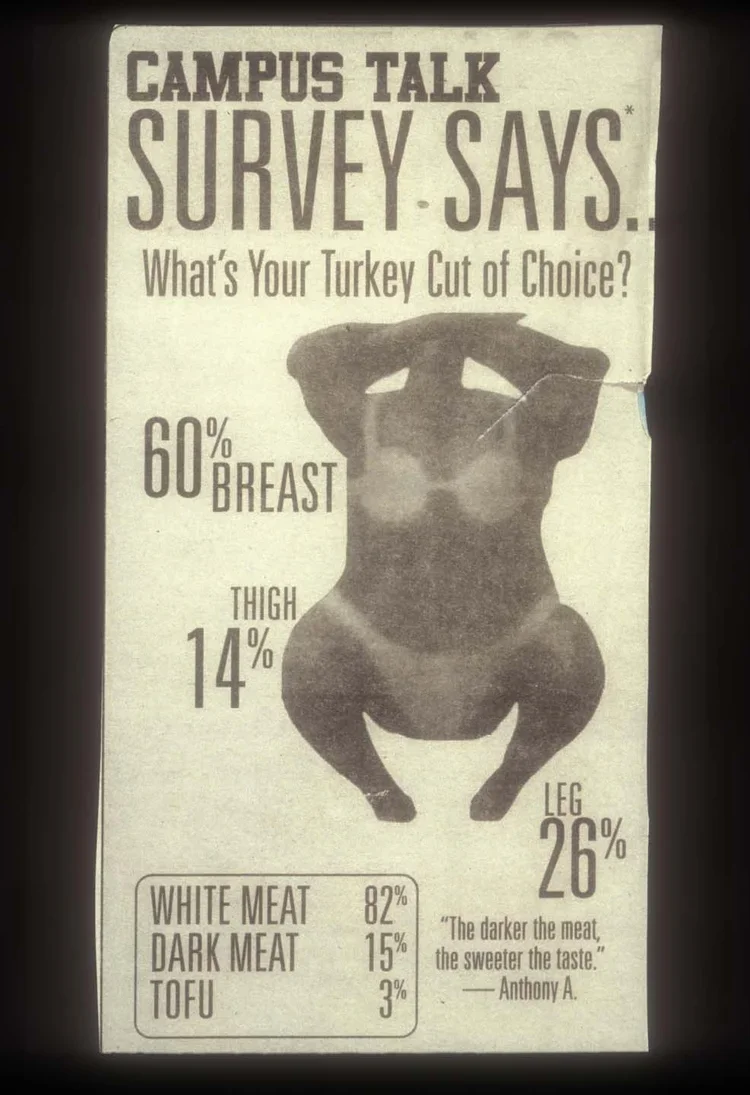
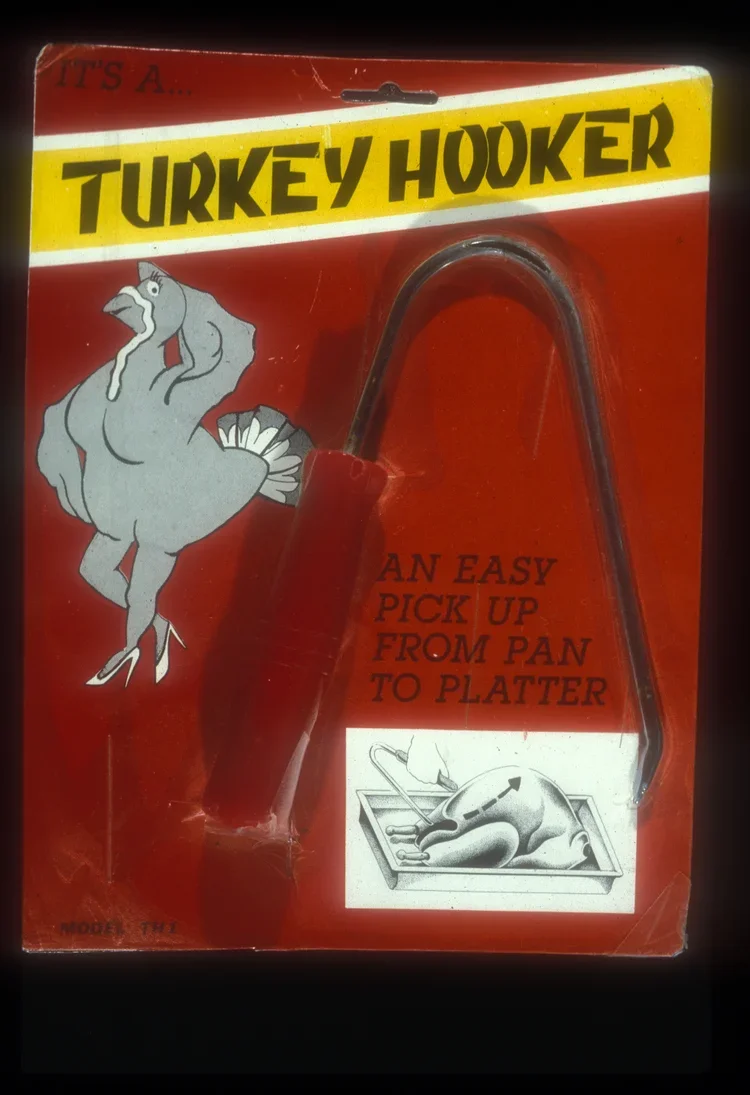
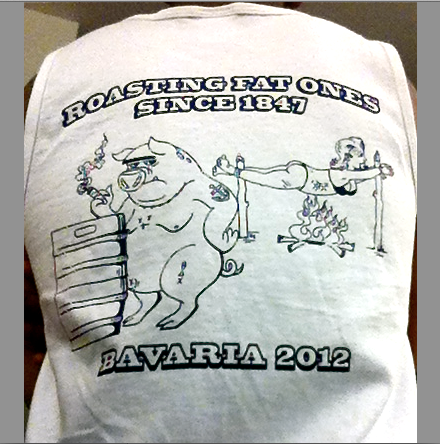
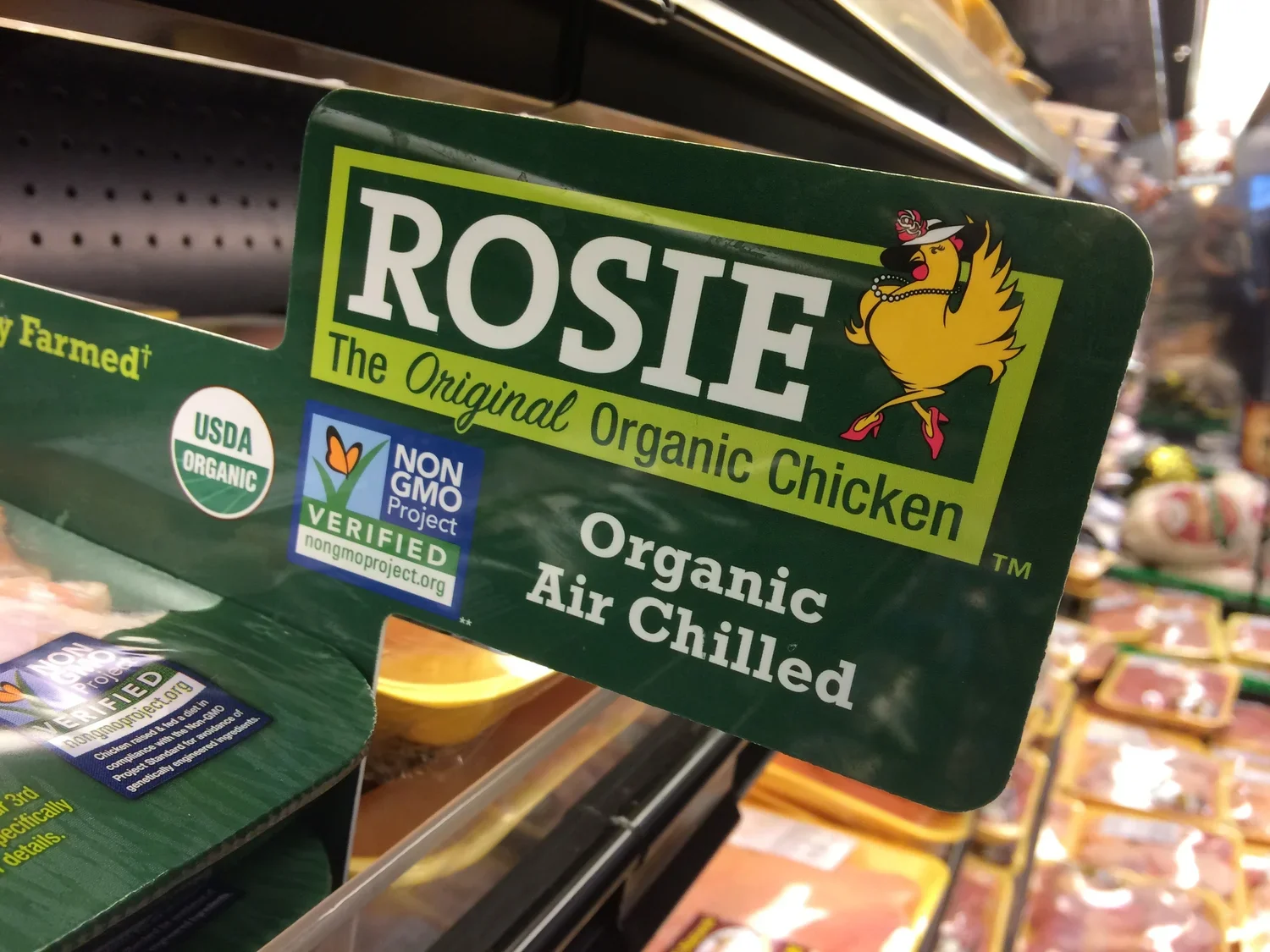
Each of these advertisements display the absent referent. “When animals are posed in feminized and sexualized ways, women are the absent referent. When women are shown as pieces of meat, animals are the absent referent. Thus an echo chamber of exploitation [is at] work, intensifying the oppression of one group of beings by drawing on the oppressions of another’s” (Adams). To force the absent referent is to remove the being from the body, making it far easier on the anterior insular cortex to use and abuse them. “Animals are made absent through language that renames dead bodies before consumers participate in eating them. Our culture further mystifies the term ‘meat’ with gastronomic language, so we do not conjure dead, butchered animals, but cuisine” (SPOM, 51). The most common current example of this commodification and objectification of both human female bodies and non-human bodies is in the form of “breast-aurants,” like Hooters. In applying the absent referent between women and non-human animals, we objectify, commodify, and oppress them as one; seeing each as property, punching bags, targets, or meals.
Domestic violence and the violence towards non-human animals is often one and the same. Many male abusers begin by beating the family dog before moving on to beating their wife. “A 2017 study showed that 89% of women who had companion animals during an abusive relationship reported that their animals were threatened, harmed, or killed by their abusive partner” (Animal Legal Defense). Violence in men is celebrated and encouraged through language, even casual conversation quips we still use today. Ocean Vuong put it perfectly, “In this culture, we celebrate boys through the lexicon of violence. ‘You’re killing it,’ ‘You’re making a killing,’ ‘Smash them,’ ‘Blow them up,’ ‘You went into that game guns blazing.’ And I think it’s worth it to ask the question, what happens to our men and boys when the only way they can evaluate themselves is through the lexicon of death and destruction? And I think when they see themselves only worthwhile when they are capable of destroying things, it’s inevitable that we arrive at a masculinity that is toxic” (Vuong on the Seth Myers Show).
Violence towards women has become so normalized through centuries of oppression that a young man raping and nearly killing two teenage girls by strangulation will get no jail time, while animal rescuers will be imprisoned for saving lives. Zoe Rosenberg, an animal rights activist who saved four chickens from a Petaluma poultry slaughterhouse, was sentenced to 90 days in prison. Thankfully, activists around the world advocated for her liberation and her sentence was reduced to serving 30 days in prison and the rest to be completed on house arrest. Due to medical concerns, Rosenberg was released halfway through her 30 day imprisonment. While in prison, Rosenberg was forced to stay in solitary confinement for the entirety of her two-week long imprisonment in order to keep her life-saving medical equipment on her person. Jesse Mack Butler, who pleaded no contest for raping and strangling two of his female classmates, could’ve been sentenced to up to 78 years in prison. However, he was instead sentenced to probation and community service. One of his victims was choked so violently that a doctor concluded she was just 30 seconds away from death and required surgery on her neck. Brock Turner comes to mind — a young man who was sentenced to just six months in prison (but released after three) and three years probation for rape of an intoxicated person, rape of an unconscious person, sexual penetration by a foreign object of an unconscious person, sexual penetration by a foreign object of an intoxicated person, and assault with intent to commit rape. Violence committed by men towards women is normalized. Saving non-human animals from violence is a crime.
“She was asking for it” is a common phrase we hear from men justifying their sexual assault upon a woman. Men may cite the way a woman was dressed, the amount of alcohol in which a woman drank, or even just that the woman dared to leave her home at all, as enough reason to believe that raping her was justified. We see the same rhetoric applied to non-human animals used for consumption. Vegans are constantly met with non-vegans saying, “Animals were put here for us to eat.” This is the same logic repackaged between victims. So long as the non-human female body is commodified and the abuse of her reproductive system is justified, human women will continue to be exploited, objectified, and assaulted. If our body is ours as women, as we fight so hard to remind people, what gives us the right to fill our bodies with the bodies of others who had no say in the matter? Non-veganism contributes to rape culture through language, normalization, and oppression.
There’s patriarchal violence at the dinner table — the dismembered body and within the intact ones consuming it. “The majority of animals eaten are adult females and children. Female animals are doubly exploited: both when they are alive and then when they are dead. They are the literal female pieces of meat” (SPOM, 21 - 2000 Preface). Women who have been assaulted have described “feeling like a piece of meat,” again unknowingly applying the absent referent. How can one ever truly feel like a piece of meat? Meat is dead — there is no feeling being done. A better comparison may be “feeling like a dairy cow.” “A corollary and prelude to animalized protein is feminized protein: milk and eggs. Again, animals are means to our ends, this time as producers of dairy products. Besides the bee’s production of honey, the only beings who produce food from their own body while living are females of child-bearing who produce milk and eggs. Female animals become oppressed by their femaleness, and become essentially surrogate wet-nurses. These other animals are oppressed as Mother animals. When their productiveness ends, then they are butchered and become animalized protein. Vegans boycott feminized and animalized protein” (SPOM, 91).
Comparative, animalized violence is so normalized towards women, that the word “bitch” has long been recognized as standard vocabulary. Thankfully, many of the younger generations are seeing how truly repulsive this term is, especially coming from a man’s mouth directed at a woman, and are calling for the end of this slur. “No, because ‘bitch’ is a slur, and I don’t know if society is ready for this conversation…and I’m not trying to equate it to like racially charged slurs. You know? Not the same. I’m not trying to like make it out to be the same level of like [racial] discrimination and whatnot, but why are you using that word like that?” (Isabelle Cook on Instagram). It doesn’t truly matter how the word is used. A word rooted in misogyny and violence will always be oppressive. “In pop culture and in everyday life, men and women use ‘bitch’ as an epithet against women (and non-conventional men) as well as a means of expressing dominance over a person or object. Women who ‘reclaim’ the term—by declaring themselves ‘bitches,’ calling other women ‘bitches’ in a friendly way, or using the term as a female-based generic—unwittingly reinforce sexism” (Kleinman, et al.). Calling a man “bitch” is to force the absent referent by comparing him to a woman. The man is being insulted by being compared to a woman; meaning the ultimate insult still lies upon the woman.
As a collective liberationist, it’s crucial to address the racism both within the vegan community and pointed towards us. Adams addresses the racist views of anti-veganism/vegetarianism exceptionally well in all of her work. For centuries, any food other than meat was not only seen as effeminate, but it was also seen as second-class or less-evolved. White men in power believed that vegetables, fruits, nuts, and seeds were foods for peasants, women, and non-white men. A white queen’s diet was more similar to her servant’s diet than her husband’s. Women, servants, peasants, and all people of color were essentially starved at a time where animal flesh was often a necessity for nutrition.
“As much as white people determine what is normative and important while ignoring the culture and experience of people of color, so have meat eaters of all races, sexes, and classes presumed the normativeness and centrality of their activity. Consequently, feminist historians and literary critics have absorbed the dominant culture’s view of vegetarianism through women writers and activists have often demonstrated an alternative perspective” (SPOM, 165). Eastern cultures who have relied on vegetables, grains, and alternative proteins have thrived for centuries. To believe that a diet is unhealthy or improper if it doesn’t contain animal flesh or secretions is to imply the same belief system white kings once did. That Eastern cultures are less evolved, not as intelligent, and can’t properly care for themselves. We see this racist rhetoric the strongest in conversations surrounding tofu. Tofu was first recorded during the Chinese Han dynasty (206 B.C.–220 A.D.), a proper source of protein, iron, calcium, and many other nutrients derived from soybeans. “Racism is perpetuated each time meat is thought to be the best protein source…Information about [non-animalized] dishes is overwhelmed by an ongoing cultural and political commitment to meat eating” (SPOM, 42). To believe that a vegan diet is inadequate is to imply other cultural diets are inadequate. “Historically, the vast majority of the world lived without animal protein as a central part of their diet. The assumption that the ‘best protein’ is from corpses is a racist belief as it erases and replaces Indigenous, African, Asian, [and] Meso-American cultural food practices” (Adams in her Oxford Speech).
So why Vegan-Feminism? Why not separate the two? Why must we be intersectional in our liberation? Because only one-third of Gen Z men define themselves as feminists. Because out of the 61% of women in the US who define themselves as feminists, less than 3% define themselves as vegan. Because I have had countless fights with “vegan” men who believe a woman shouldn’t make decisions about her own body. Because I have had so many conversations with women who fight for their autonomy while refusing the autonomy of other females because of their species. The oppression of women and non-human animals is linked and imbedded into the patriarchy. Women are abused while working in slaughterhouses. Non-human animals are violated by agriculture workers. Women are butchered and non-human animals are raped. To liberate one is to liberate us all.
“Feminist-[Vegan] activity declares that an alternative worldview exists. one which celebrates life rather than consuming death; one which does not rely on resurrected animals but empowered people” (SPOM, 197).
Read The Sexual Politics of Meat. Listen to The Sexual Politics of Meat. Visit Carol J. Adams’ website.